
“Choose a home you like, with resale in mind”
Buying Right “Top 10”
1. The “Fixer” in a Great Neighborhood. Buying below neighborhood values because of condition can be a smart move – especially when the cost to improve the home is far less than the gap between its current price and surrounding values.
Extreme example, but hopefully you get the idea.

2. The Dated Home with Good Bones. Outdated, including paint, flooring, lighting and kitchens. May scare some buyers but are relatively inexpensive to update.
3. Homes on Quiet Interior Streets. Location within the neighborhood matters. Interior streets typically have less traffic, less noise, and stronger resale demand.
4. Homes with Functional Floor Plans. Layouts that flow well will appeal to the widest group of buyers and be a better value over time. It is also best if there are fewer steps, stairs, and levels – such as step-down rooms.
5. Homes with Privacy. Private backyards and distance from neighbors can increase desirability and resale appeal.
6. Homes with Good Lot Orientation. Lots with usable outdoor space, good sunlight, and easy backyard access increase lifestyle value and resale appeal.
7. Homes Slightly Below Neighborhood Size or Finish. You can benefit from the value of surrounding homes without paying the same price.
8. Homes with Expandability. Properties with room for additions, ADUs, or remodel potential offer increased value opportunities.
9. Homes with Cosmetic Problems Only. Paint, flooring, landscaping, lighting, and minor upgrades can dramatically improve appearance and value.
10. Builder Owned or Homes Owned by Long-Term Careful Owners. Builders who made improvements for themselves, often do it right and with quality. Long-term owners with homes that show pride of ownership, are often well maintained structurally even if stylistically outdated.
Location Tip
Every city or town contains multiple neighborhoods, each with its own character and level of desirability. Some areas feature older homes with mature landscaping, while others may be closer to downtown amenities, offer scenic views, or have newer construction. These differences can significantly influence both lifestyle and long-term value.
Bottom line: Once you’ve identified the city or town where you’d like to live, it’s important to understand the differences and desirability of neighborhoods you can afford.
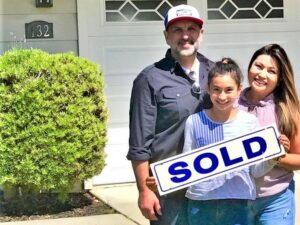
These clients were able to buy in a top
neighborhood by willing to update the home.
Buying Wrong “Top 10”
1. Nicest Home on the Street. Over-improved properties often have limited appreciation because surrounding homes don’t support the higher value.
2. Homes on or Backing to Busy Streets. Traffic noise, safety concerns, and reduced privacy can limit buyer demand and resale appeal.
The double yellow lines are likely a bad sign.

3. Homes Backing to Commercial Property. Retail centers, apartments, office buildings, and even schools can introduce noise, lights, and reduced privacy.
4. Homes Near Freeways or Major Roads. Freeway proximity can bring constant noise, air quality concerns, and visual impacts. In some cases, these locations may also attract more transient activity due to easy access routes.
Buyers and appraisers often put “noise” at the top of the list for least desirable property characteristics.
5. Homes with Poor Floor Plans. Layout problems can be difficult and expensive to correct. Examples include kitchens that are small, closed off, far from the garage, or have no view of the backyard. Other concerns include front doors opening directly into living rooms without a proper entry, primary bedrooms located next to noisy living areas, little separation between bedrooms, or rooms that must be passed through to access other spaces. Long narrow hallways can also make a home feel dark and dated.
6. Homes with Limited Backyard Use. Tiny yards, steep slopes, or unusable outdoor areas can significantly reduce lifestyle appeal and resale value. Also, yards with a “fishbowl” effect, where neighboring homes look into the yard, can impact privacy.
7. Severe or Unchangeable Issues. Foundation problems, drainage issues, and structural concerns can be expensive and unpredictable to repair. Other negative factors include large power line towers, nearby railroad tracks, or homes located in flood zones.
8. Older Homes with Functional Obsolescence. Some older homes simply don’t match modern living preferences. Common issues include closed-off living areas, small or no garages, garages without interior access, not enough bathrooms, outdated wiring or plumbing, and aging foundations that may require ongoing maintenance.
9. Flat Roof Homes. Unless part of a newer modern design, flat roofs can raise concerns for some buyers. From a curb appeal standpoint to potential water pooling and leak risks, they can also lead to higher insurance costs. For many buyers, pitched roofs feel more familiar and reliable.
10. Parking Challenges. Neighborhoods with heavy street parking can make visitor parking difficult. Homes where nearby properties consistently park multiple vehicles in driveways or along the street can appear cluttered. Visible oil stains, vehicles in disrepair, or dense parking patterns may cause some buyers to question overall neighborhood upkeep.
“You can change the home, but not the location.”
Searching Tip
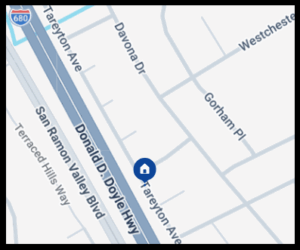
Consider doing “drive-bys” to help save time when narrowing down potential homes. Before heading out, take a moment to look at the property using a satellite view. Pay attention to what surrounds the home and the broader area.
Is the home on or backing to a busy road? Is it next to an intersection or stop sign? Is it near a freeway, school, or commercial development? Factors like these can influence noise levels, privacy, and long-term resale value.
Freeway noise and an artery road.
Condos and Townhouses
End units are often the best choice versus interior units. More natural light with side windows and fewer common walls. Newer is better, and built as a condo or townhouse – not an apartment conversion. Homeowner’s association strength is important. Increased dues and future assessments can be costly and impact resale value.
New Homes
When buying a new home, the process is different from buying a resale home. Builders use their own contracts and timelines.
1. Bring Your Real Estate Agent. The sales agent at the builder’s office represents the builder, not the buyer. Having your own agent ensures someone is protecting your interests, negotiating upgrades, timelines, and contract terms.
2. Research the Builder’s Reputation. Look at previous communities they built. Read homeowner reviews and complaints. Verify licensing and past lawsuits or construction defects if you wish to take it to the next level.
3. Carefully Review the Builder Contract. Builder contracts are typically builder-friendly and different from standard resale purchase agreements. Pay attention to construction timeline and delay clauses, price escalation clauses, and what happens if materials or finishes change.
4. Understand Upgrade Pricing. Builders often offer design centers with upgrades. Builder upgrades can be expensive compared to aftermarket options. Prioritize upgrades that are hard to change later, such as structural changes, electrical and wiring, and extra windows or sliding doors. Avoid overspending on cosmetic upgrades that can be done after closing.
5. Consider an Independent Property Inspection (Even Though It’s New). Common inspection stages include: Pre-drywall inspection – before walls are closed, final inspection before closing, and 1-year or 11-month warranty inspection. City inspectors check code compliance, but not workmanship quality.
6. Pay Close Attention to the Final Walk-Through. Before closing, do a thorough walk-through with the builder. Check things like doors and windows (they open smoothly), drywall dents or paint defects, plumbing fixtures (they work properly), outlets and lights function, the floors are level and clean, and check the exterior too. The walkthrough is often the last chance to request repairs before closing.
7. Understand the Builder Warranty. Most new homes include warranties such as a 1-year workmanship warranty, systems warranty (plumbing, electrical, HVAC), and a 10-year structural warranty.
8. Understand HOA and Community Rules. HOAs, architectural restrictions and landscaping requirements.
9. Think About Resale Value. Lot location (avoid busy streets, intersections, or backing to commercial areas), orientation and views, functional floor plans, parking and garage size
10. Keep All Documentation. Maintain records of upgrade selections, change orders, builder promises, warranty information.
Buying Tips
- Unless Paying Cash, Get Pre Approved. Get a pre approval letter from a reputable mortgage company, preferably local, so you know your limitations. If you have a trusted source, this is often a good first step. Carrie Sanford at Bay Area Funding is a knowledgeable loan broker we recommend (925) 788-1029.
- Online Searches. Most home buyers go online to search for homes. When doing searches, consider rounding high with your price range, and low with things like bedrooms, baths and home size. We can explain in more detail, but to share a few examples: Searching for 4 or more bedrooms may eliminate some good homes that are 3 bedrooms and an office. Lowering the minimum square feet may result in homes that feel larger due to the floor plan or ceiling height. Single story homes often feel larger than 2 or 3 story homes with the same square footage.
- Must Haves. The minimum number of bedrooms, bathrooms, square feet of living space and lot size are often examples of this. But consider some leeway if possible to potentially include homes that can be altered. We can help with this.
- Bonus Features. A garden, a pool, a new kitchen and hardwood floors are examples of parameters that can reduce the number of homes on a home search. Some items on the wish list can be done after moving in.
- Educate Yourself. Online searches are a good way to educate yourself to prices and neighborhoods. With street views you can see surrounding homes in the neighborhood. Utilize the satellite view to see home positioning and what it backs to. Check the list price per square foot for the home, and check the lot size as well.
- It’s Still Location, Location, Location. But what’s a good location? A home with a view….. but it has freeway noise? A home near a great school…..but it has school traffic? A great neighborhood…..but the home backs to a busy road? Imagine the location as a vacant lot. Would you choose that site to build a new home?
- Choosing the Right Home. This is one of the reasons to use us. It is not about how many homes we can recommend, it’s how many we won’t. We can be patient and so should you, but when it’s the right one, moving fast is key. Other buyers may discover the same home, but being prepared, such as having a loan pre-approval, a proof of funds document, and having reviewed the disclosures and reports can bring strength to an offer.
Before Making an Offer
- Roof – Type & Age. Determine the type of roof and either its age, or estimated age from a roof inspection. Older roofs may need replacement soon, and many insurance companies place restrictions or higher premiums on certain roof types and roof ages.
- HVAC System – Heating & Air Conditioning. Confirm the age and condition of the heating and cooling system. Replacement can be expensive, and an inefficient system can lead to higher utility costs and comfort issues.
- Plumbing Type. Determine the type of plumbing pipes used in the home. Older galvanized pipes or certain outdated materials can corrode over time, restrict water flow, and eventually require costly replacement.
- Sewer or Septic System. If the home is connected to city sewer, a sewer scope inspection can reveal roots, cracks, or blockages in the line. For homes on septic systems, verify the age, maintenance history, and condition.
- Electrical System & Panel. Older electrical panels or outdated wiring may need upgrades to meet modern safety standards and handle today’s electrical loads.
- Windows & Insulation. Older single-pane windows can affect comfort and energy efficiency.
- Drainage & Grading. Poor grading, standing water, or drainage issues can lead to moisture problems around the foundation and under the home.
- Foundation & Structural Clues. Look for signs such as large cracks, uneven floors, or doors that don’t close properly. These may indicate structural movement that should be evaluated.
- Insurance Considerations. In addition to the roof type and age, older wiring, plumbing types, wildfire exposure, and prior insurance claims (especially recent water claims) – can affect a home’s insurability and cost of coverage.
- Deferred Maintenance. Peeling paint, worn caulking, broken fixtures, or neglected landscaping can signal that other maintenance items have been overlooked.
Making an Offer
- The Goal. Get your offer accepted at the lowest possible price, with terms in your favor, and a possession date that works best for you.
- When Multiple Offers. Getting your offer accepted without overpaying is often the goal. Your financial qualifications will play a role. Our ability to know how many competing offers, will also play a role, and creating an offer with terms the sellers like will increase your odds of an acceptance.
- Pre-Emptive Offers. Getting an offer accepted before an offer date is another way go. Easier said than done, but it can be an option.
Disclosures & Inspections
- Be Thorough. Once your offer is accepted, it is still prudent to investigate the home further. You might think the home looks great, but sometimes things are not as they seem. We will help identify factors that can impact value and the comforts you expect.
(925) 915-8300
GT@HomeFox.com